Business credit · Australia
Capital that's there when business calls.
Capital On Call arranges business lines of credit, standby working capital and property-secured top-ups for Australian businesses whose income arrives in waves — so a slow season, a client who pays late or a deal that won't wait never leaves you short.

- LimitSet up front, based on turnover
- DrawnJust what the gap calls for
- AvailableTops back up as you repay
The cash flow year
Income rises and falls. The bills stay put.
Rent, wages, super and the BAS turn up on schedule whether trade is booming or flat. When revenue drops below those fixed costs — the shaded months — a line of credit covers the shortfall, and the busy months pay it back so the limit is ready for next time.
Draw when it's quiet. Keep wages, rent and pre-season stock covered while bookings, crop payments or invoices catch up.
Repay when it's busy. Once takings run ahead of costs, clear what you drew and the full limit comes back.
Use it again next year. No fresh application every season — the facility stays on call. Seasonal funding →
Three ways to keep capital on call
Match the structure to the way your cash moves
One of these usually does the job. Plenty of businesses run two side by side: a property-secured loan for a large, one-off cost and a line of credit for the month-to-month ups and downs.
| Option | Best for | Trading history | Assessed on | Shape |
|---|---|---|---|---|
| Business line of credit | Gaps that keep coming back: off-seasons, slow payers, stock cycles | Generally 6+ months | Turnover and business bank statements; weaker credit considered | Revolving |
| Unsecured working capital | A single need, without offering property as security | Generally 6+ months | Turnover and bank statements; some decisions same day | Lump sum or line |
| Property-secured top-up | Larger or low-doc needs, ATO debt, deals that move fast — $20,000 to $1m | Not the deciding factor | Australian property you or a supporting party own; no financials to start | Lump sum |
Still weighing it up? Line of credit vs overdraft vs term loan, side by side.
Who calls on us
For businesses that run to a calendar
Charter operators in Airlie Beach, grape growers in the Barossa, importers clearing containers through Port Botany — the businesses we work with have one thing in common: their income doesn't land in tidy monthly amounts.

Tourism & hospitality
Keep the crew on through the wet season or the shoulder months and open the next peak fully staffed.
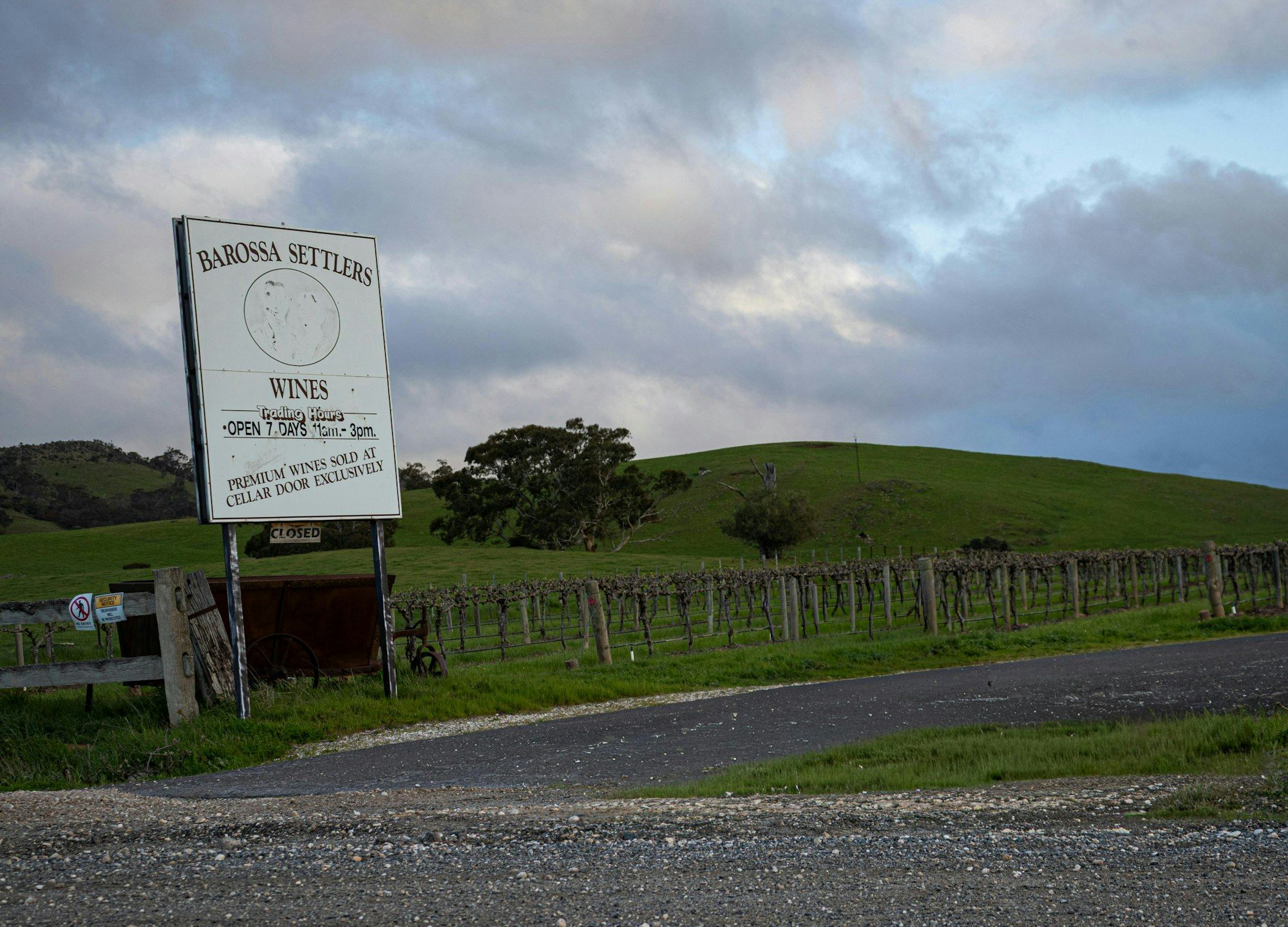
Growers & wineries
Cover pruning, picking and freight before the packer or winery pays for the crop.

Construction & trades
Pay the crew every Thursday while progress claims and retentions work their way through.

Retail
Buy the stock in September, repay from the December rush.

Wholesale & importers
Bridge the weeks between paying overseas suppliers and collecting on 30-day EOM terms.

Professional services
Run payroll on schedule even when large clients take 60 days or more to settle.
See also funding for transport and freight operators and every industry we cover.
Moments that need capital now
When the timing isn't yours to choose
The strongest case for arranging capital early is that the moments you need it seldom come with warning. These are the ones Australian business owners raise with us most often.
A supplier's bulk-buy offer
Take the full pallet order before the price goes up and keep the discount. Opportunity funding
Machinery under the hammer
Auction lots usually need paying for within days. Having funds arranged first lets you bid with confidence. Auction checklist
A competitor winding up
Stock, plant, a client list or the whole business — often sold to whoever can settle first.
The ATO before your customers
Quarterly BAS on the 28th, and from 1 July 2026 super within seven business days of each payday. Paying the ATO on time
A quiet stretch that drags on
A late start to the snow season or a long wet season up north. Keep your core staff paid. Standby capital
Your biggest contract yet
Materials and labour from day one; the first progress payment weeks later. Trades funding
From enquiry to capital
Four steps, one conversation
Plain English and no obligation. A lending specialist does the work of matching your business with a suitable lender and structure. See the full process →
- ~60 sec
Enquire
Tell us how much you need, what it's for and roughly what the business turns over. Your credit score isn't touched.
- Follow-up
Talk it through
A lending specialist asks about your busy and quiet months, the gap and how you'd repay.
- Match
Provide the basics
Typically business bank statements for unsecured options, or property details for secured ones.
- On call
Decision and funds
Some unsecured decisions come the same day; property-secured funds can settle within 24 hours of approval in some cases.
Start here
What's the capital for?
Choose the closest fit and we'll take you straight to the 60-second enquiry. It's free and has no effect on your credit score.
Guides
Map out the year before you fund it
Practical guides written for Australian businesses on seasonal cash flow, BAS and super timing, and getting paid on time — researched from ATO, ABS, Tourism Research Australia and business.gov.au sources. All guides →
How a business line of credit works: limits, draws and repayments
Credit fundamentals · 6 minLimits, draws, repayments and redraws — how the capital meter works.
How to build a seasonal cash flow plan
Cash flow · 5 minMap your year, place the tax dates, find the low point.
How to smooth lumpy revenue in a small business
Cash flow · 5 minDeposits, progress claims, retainers — and a backstop for the rest.
The working capital cycle explained: how to measure your cash gap
Working capital · 5 minStock days + debtor days − creditor days = your cash gap.
Building a cash buffer: how much is enough, and how to get there
Cash flow · 5 minSize it, build it, protect it — and pair it with standby credit.
Using business credit responsibly
Credit fundamentals · 5 minWhen to borrow, how much, and the warning signs to watch.
FAQ
Quick answers
What does Capital On Call do?
We help Australian businesses set up lines of credit, unsecured working capital and property-secured business loans through our lending panel, so funds are ready when revenue dips or an opportunity turns up at short notice.
How long do I need to have been trading?
Lines of credit and unsecured loans are generally for businesses with an ABN that have been trading for six months or more. Property-secured loans of $20,000 to $1m lean mainly on the property, so a short trading history is less of an obstacle.
My bank has declined me. Can you still help?
Often. Lenders on our panel assess applications differently from the major banks. Weaker credit is considered for unsecured options, and bad credit, defaults and arrears are looked at case by case for property-secured loans.
Why don't you publish interest rates?
Because every loan is priced on the business's own circumstances, a headline number would be wrong for most people who read it. We look for the sharpest option available for your situation and set out the full cost before you commit.
Can I use the funds personally?
No. We only arrange finance for business purposes. Sole traders, companies, partnerships and trusts are all welcome to enquire.
Set it up while things are calm
The easiest time to put capital on call is before the gap arrives. The enquiry takes about 60 seconds and a lending specialist follows up with your options.