Why is the cash gap so long in horticulture and viticulture?
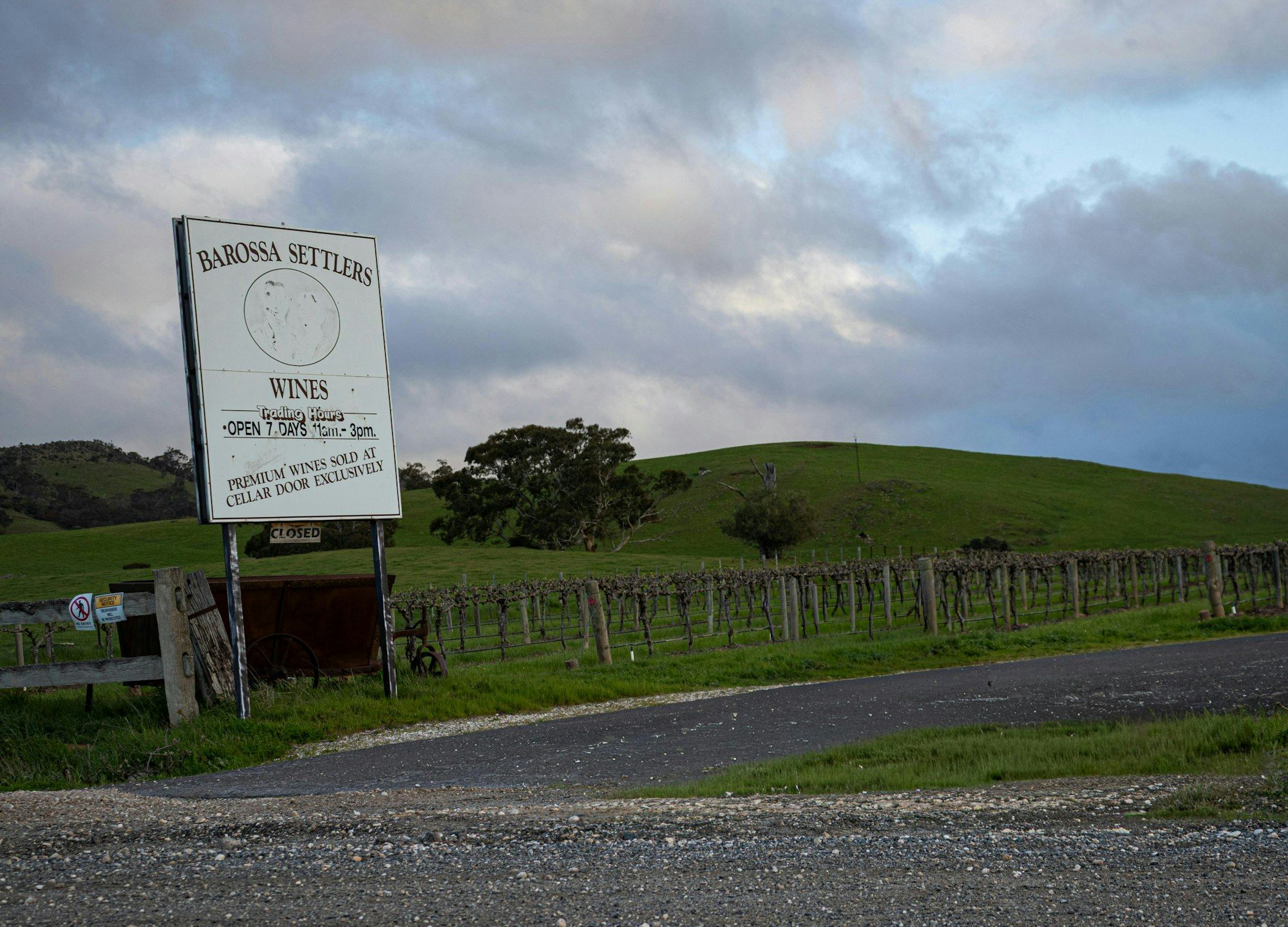
In most businesses you do the work and get paid within weeks. On a vineyard or orchard, the wait can stretch past a year. A Barossa or McLaren Vale grower prunes through winter, sprays and manages canopy through spring and summer, and picks in the February to April vintage — then waits for the winery to pay.
South Australian legislation has long set out a grape payment schedule of one third by the end of the month after delivery, one third by the end of June and the balance by the end of September. Many winemakers now pay faster, but when the ACCC examined the sector it found some growers waited up to seven months for full payment. A mandatory Code of Conduct for Winegrape Purchases is due to start on 1 January 2027, with payment terms among the matters it will cover.
The income side has been under pressure too. Wine Australia’s National Vintage Report 2026 recorded a crush of 1.27 million tonnes, the smallest since 2000, with the average value of purchased grapes down 6%. In warm inland regions such as the Riverland, Murray Darling–Sunraysia and the Riverina, that has left some growers with smaller cheques arriving just as costs keep rising.
What about fruit, nuts and vegetables?
Outside wine, the calendar changes but the shape doesn’t:
| Crop and region | Main harvest window | How payment usually arrives |
|---|---|---|
| Mangoes, Bowen/Burdekin and Mareeba | About October to January | Through agents or merchants, per the produce agreement |
| Avocados, Atherton Tablelands and Bundaberg | Roughly February to September | Through packers, agents or merchants |
| Citrus, Riverland, Sunraysia and Riverina | Winter navels, spring–summer Valencias | Via packers and exporters, often after the fruit ships |
| Table grapes and dried fruit, Sunraysia | About December to April | Merchant or agent terms, sometimes in stages |
| Vegetables, Lockyer Valley and Bowen | Seasonal plantings, often winter in the north | Weekly or monthly, depending on the buyer |
Under the Horticulture Code of Conduct, a produce agreement with an agent or merchant must state when the grower will be paid — but the code doesn’t fix the period. That’s set contract by contract, which is why no two growers’ cash cycles look quite the same. Our horticulture harvest cash cycle guide maps typical grower payment timing crop by crop.
Where does the money go before the money comes?
- Labour — pruning, thinning, picking and packing crews, usually paid weekly, with super now due within seven business days of payday under Payday Super from 1 July 2026.
- Inputs — fertiliser, sprays, water, netting, frost and heat protection.
- Equipment — tractors, harvesters, platforms, sprayers, bins and cool-room repairs.
- Contractors — pruning, spraying and machine harvesting.
- Tax — BAS and PAYG instalments that can fall before the season’s payments land. See our guide to PAYG instalments for seasonal businesses.
Why are harvest contractors squeezed hardest?
Harvest and pruning contractors pay crews every week but invoice growers monthly, then wait for the grower to be paid before they are. A contractor running three crews through a Riverland vintage can carry a month or more of wages before any money comes back. A revolving line of credit, drawn for wages and repaid as growers settle, is usually the simplest fix.
Which funding options suit growers and agribusiness?
| Need | Usual fit |
|---|---|
| A seasonal gap that repeats every year | A business line of credit, generally unsecured, for businesses usually trading 6+ months |
| New equipment before harvest | An unsecured or property-secured lump-sum loan |
| A larger working capital need or thin trading history | A property-secured loan of $20,000 to $1m, including against land |
| An ATO balance after a tough vintage | A property-secured loan to pay out or refinance ATO debt |
Property-secured loans can be secured on land, a home, an investment property or commercial property owned by you or a supporting party. Bad credit, defaults and arrears are considered case by case, and funding is possible within 24 hours of approval in some cases.
How should a lender read a grower’s bank statements?
A lender looking at a vineyard account sees heavy outgoings for most of the year and a few large, irregular deposits. Without context, that looks alarming. With it — which instalment arrives when, what the last two vintages returned, what’s contracted for this one — it looks like a normal agricultural business. We make sure that context travels with your enquiry.
Example scenario
Example scenario — illustrative only. A Sunraysia table-grape grower needs to replace a tractor before summer and cover picking and packing wages from December while waiting on merchant payments. The owner uses a property-secured loan against the farm for the tractor and a smaller line of credit for wages, drawing it through the harvest and clearing it as payments come in over autumn.
For a broader view of planning around peaks and troughs, see our seasonal business funding page and the seasonal cash flow plan guide.
How is pricing worked out?
Every loan is priced on your individual circumstances. We don’t publish rates; we look for the sharpest option available for your operation.
Start the conversation
The 60-second enquiry is free and doesn’t affect your credit score. Tell us what you grow or do and when your payments arrive, and a lending specialist will contact you.