Why do wholesalers get squeezed from both ends?
A wholesaler sits in the middle of the supply chain, and cash gets pressed from both sides. Overseas manufacturers commonly want a deposit when you place the order and the balance before the goods are released for shipping. Your customers — retailers, trade businesses, cafés and restaurant groups — expect terms, and 30 days end of month is the norm in Australia. Larger buyers often ask for 60 days end of month or longer.
Put those together and you can be out of pocket for three to five months on every shipment.
What does one import cycle look like in cash terms?
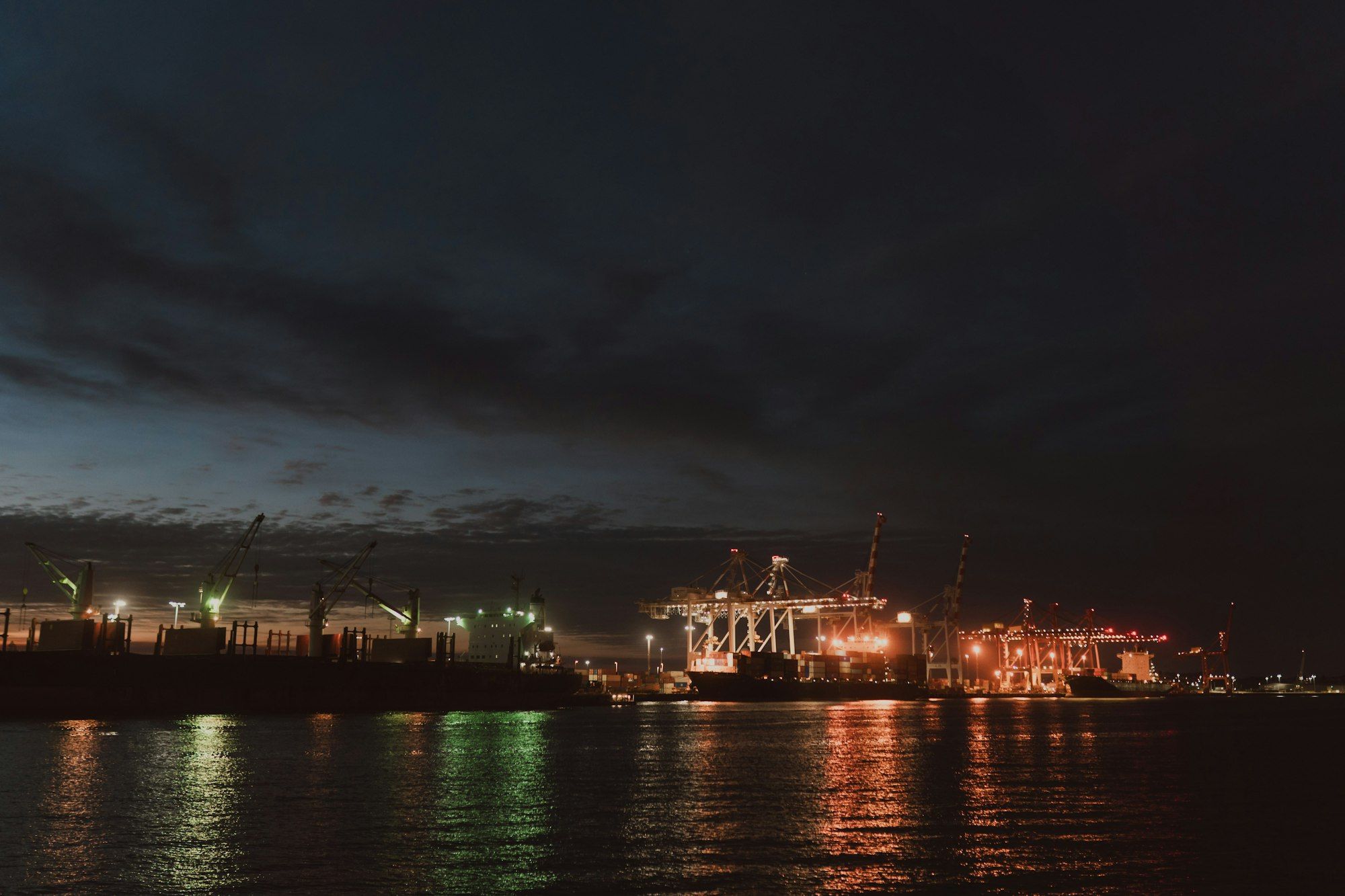
Here’s a simplified cycle for a distributor bringing product from Asia through Port Botany, the Port of Melbourne, the Port of Brisbane or Fremantle:
| Stage | Rough timing | Cash |
|---|---|---|
| Order placed, deposit paid | Day 0 | Out |
| Production finished, balance paid before shipping | Weeks 4–8 | Out |
| Vessel arrives; customs duty where applicable, import GST, freight, port and cartage charges | Weeks 7–12 | Out |
| Stock delivered to customers and invoiced | Weeks 9–16 | Invoiced |
| Customers pay on 30-day EOM terms | Weeks 14–22 | In |
Timings vary by product, origin and season — factory shutdowns around Lunar New Year and congestion in the lead-up to Christmas can both stretch the middle of the cycle. Our working capital cycle guide shows how to measure your own in days.
How does import GST affect the gap?
GST on taxable imports is normally paid before the goods are released from the border, weeks or months before you’ve sold them. The ATO’s deferred GST scheme lets eligible importers defer that payment to their monthly BAS instead, which can take a real chunk out of the cash tied up in each container. To use it, you need an ABN, GST registration, and to lodge and pay your BAS monthly and electronically. Our guide to GST timing and cash flow explains how BAS dates interact with your stock cycle.
Why does growth make the squeeze worse?
When a distributor wins a new retail listing or a large hospitality account, sales rise — and so does the cash locked up in the cycle. Twice the orders means twice the deposits, twice the freight and twice the debtors. A profitable business can still find its bank account shrinking as it grows. That’s where a funding facility earns its place.
How does a revolving line of credit fit wholesale?
A revolving line of credit mirrors the wholesale cycle. You draw to pay suppliers, freight and landing costs. As customers pay, you repay, and the limit is ready for the next shipment. These facilities are generally unsecured, for businesses usually trading six months or more, with limits based on turnover and business bank statements. Weaker credit is considered, and decisions are sometimes made the same day.
For larger one-off needs — buying out a competitor’s stock, a warehouse fit-out, or a much larger first order for a new contract — a property-secured loan of $20,000 to $1m can sit alongside the line of credit. It’s a lump sum secured on Australian property you or a supporting party already own, even if there’s an existing mortgage.
How can you shorten the cycle before you fund it?
Funding works best when the cycle it covers is as short as practical:
- Negotiate supplier terms. Moving from payment-before-shipping to payment 30 days after arrival can cut weeks from the gap. See negotiating supplier terms.
- Tighten customer terms where you can. Invoice on dispatch, not at month-end, and follow up the day an invoice falls overdue.
- Know who has to report. Large businesses with $100 million or more in revenue report their payment times to small suppliers under the Payment Times Reporting Scheme. Checking a big customer’s record before agreeing terms is worth the five minutes.
- Review slow lines every quarter. Stock that doesn’t move ties up cash that could fund stock that does.
- Watch concentration. If one customer is a large share of sales, their payment habits set your cash flow.
Example scenario
Example scenario — illustrative only. A food-service distributor in Adelaide wins a contract to supply a chain of cafés. The first order needs an extra container of product, paid for before the chain’s first payment on 30-day end-of-month terms. The owner draws on a line of credit to fund the supplier balance, freight and landing costs, then repays as the chain pays. The limit is ready again for the next container.
Why does a facility matter for opportunities?
Wholesalers see more bargains than most businesses: end-of-line stock, discounts for full containers, a competitor clearing its warehouse. Having a facility already in place means you can act while the deal is still there. Read more about opportunity funding.
How is pricing worked out?
Every loan is priced on your individual circumstances. We don’t publish rates, and we look for the sharpest option available for your business.
Keep stock moving
Start the 60-second enquiry. It’s free, it doesn’t affect your credit score, and a lending specialist will contact you to talk through your cycle.