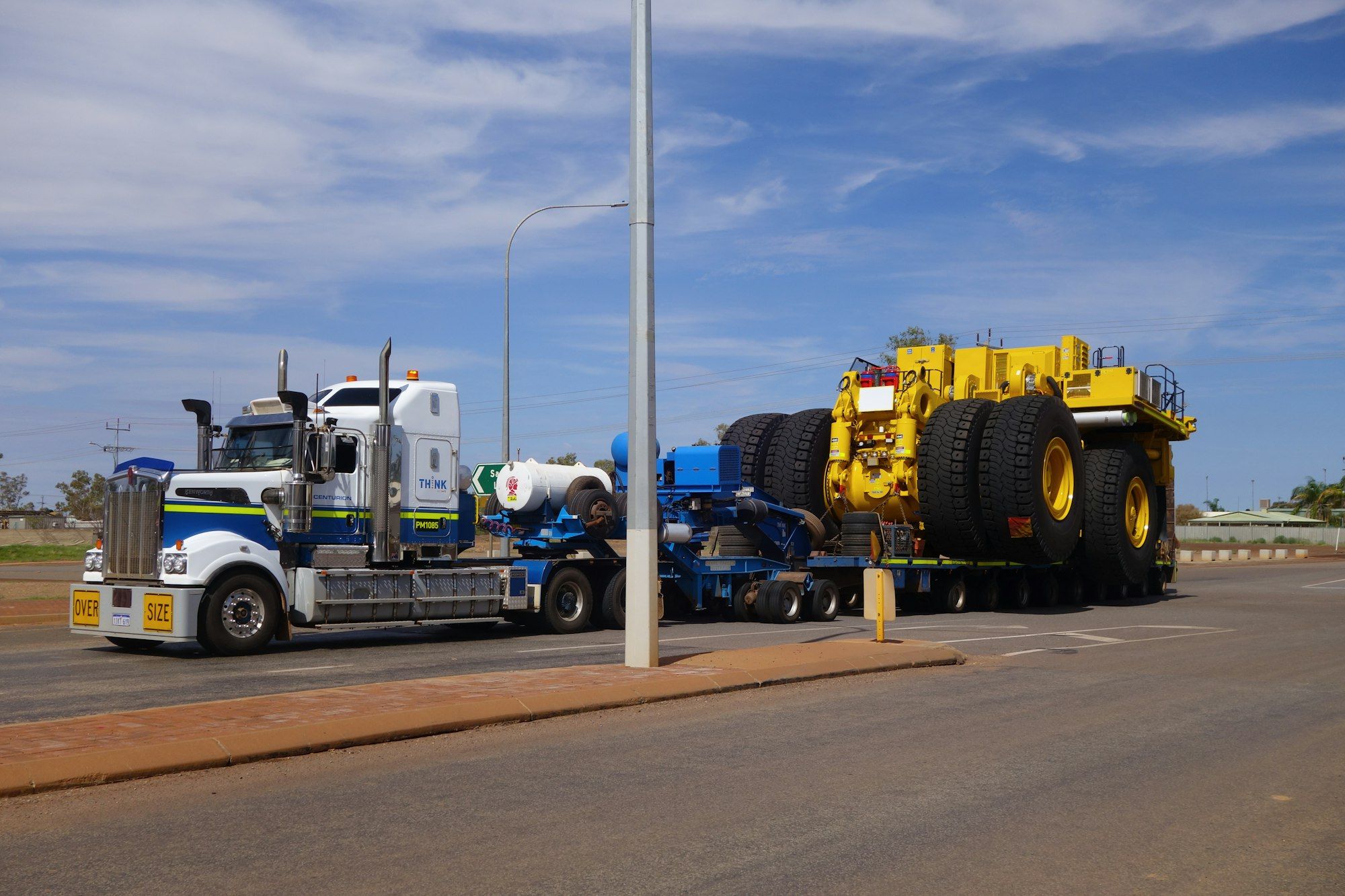
Why is freight such a cash-hungry business?
Every kilometre a truck travels costs money before it earns any. Diesel is paid at the bowser or on a fuel card account. Tyres, servicing, heavy vehicle registration renewals, insurance and repairs arrive on their own schedule. Drivers are paid weekly, and since 1 July 2026, under Payday Super, their super generally has to reach the fund within seven business days of each payday.
Customers, meanwhile, are invoiced after the job and commonly pay on 30-day end-of-month terms — longer for many large shippers. For a small fleet, that can mean carrying six to ten weeks of running costs at any given time.
How slowly do big customers pay?
Many carriers work for large retailers, manufacturers, miners and agribusinesses. Large businesses with $100 million or more in revenue must report how quickly they pay small suppliers under the Payment Times Reporting Scheme. In its January 2026 update, the regulator said the time taken to pay 95% of small business invoices had risen to 64 days, up from 58 — the slowest payments were getting slower.
For a haulage business, one slow shipper can hold up the fuel card, the tyre supplier and the payroll at once.
Why do fuel costs make the gap unpredictable?
Fuel is usually the biggest single running cost, and it moves. Fuel tax credit rates and the heavy vehicle road user charge changed several times during 2026, including a temporary cut to fuel excise from 1 April 2026. Eligible businesses claim fuel tax credits on their BAS, but only after the fuel has been bought and the BAS lodged. The ATO publishes the current fuel tax credit rates, and it pays to check them each BAS period.
When are the busy seasons in Australian freight?
| Period | What drives it |
|---|---|
| About October to January | Grain harvest across NSW, Victoria, South Australia and Western Australia |
| Varies by crop | Horticulture runs — mangoes, citrus, table grapes, vegetables |
| Northern dry season | Cattle movements and tourism supply in northern Australia |
| October to December | Retail and Christmas freight through the ports and courier networks |
| Ongoing | Construction materials, rising and falling with the building cycle |
Busy seasons are welcome, but they also mean more fuel, more drivers, more tyres and more wear — all paid for before the extra revenue lands.
What do freight businesses use funding for?
- Fuel during peak months.
- Driver wages, super and subcontractor payments between customer payment runs.
- Unexpected repairs, so trucks aren’t parked up waiting on cash.
- Tyres, servicing and registration renewals ahead of a busy season.
- Taking on a new contract that needs extra capacity from week one.
- BAS, PAYG and ATO balances after a strong or a difficult year — see paying the ATO on time.
Which funding structure fits?
A revolving line of credit usually matches running costs best: draw for fuel, tyres and wages, repay as customers pay. Lines of credit are generally unsecured, for businesses usually trading six months or more, with the limit based on turnover and business bank statements. Weaker credit is considered. Our unsecured working capital page explains the options in more detail.
For bigger one-off needs — clearing an ATO balance, fitting out a depot, or buying a competitor’s run — a property-secured loan of $20,000 to $1m provides a lump sum. It’s secured on Australian property you or a supporting party already own, and needs no financials or tax returns for the initial assessment.
How can you keep the gap under control?
- Invoice weekly rather than monthly where customers will accept it.
- Include fuel adjustment clauses so price movements flow through to your rates.
- Watch customer concentration — one big slow payer can stall the whole fleet.
- Track cost per kilometre so you know which work is actually profitable.
- Keep a buffer. Our guide to building a cash buffer shows how to size one.
How do we present a freight business to a lender?
A carrier’s bank statements can look erratic: big fuel-card debits every week, lumpy customer receipts at month-end, and a harvest or Christmas spike that doesn’t repeat evenly. We explain the pattern up front — who your main customers are, what terms they pay on, when your peak starts and how costs flex with it — so the lender reads your account as a working fleet rather than a cash-flow problem.
Example scenario
Example scenario — illustrative only. A grain cartage business in the Wimmera runs five trucks and doubles its hours through harvest. Its bulk-handling and grower customers pay on 30-day end-of-month terms. Each October the owner draws on a line of credit to cover extra drivers, fuel and tyres, then repays it between January and March as harvest invoices are paid.
How is pricing worked out?
Every loan is priced on your individual circumstances. We don’t publish rates, and we look for the sharpest option available for your business.
Keep the wheels turning
Start the 60-second enquiry. It’s free, it doesn’t affect your credit score, and a lending specialist will contact you.