What makes an opportunity worth funding?
Not every bargain is an opportunity. The ones worth borrowing for have three things in common: they’re time-limited, they have a clear, measurable payback, and they fit what your business already does well. The situations Australian owners bring to us most often:
- Bulk-buy discounts. A supplier offers better pricing for a full container, or for paying upfront before a price rise takes effect.
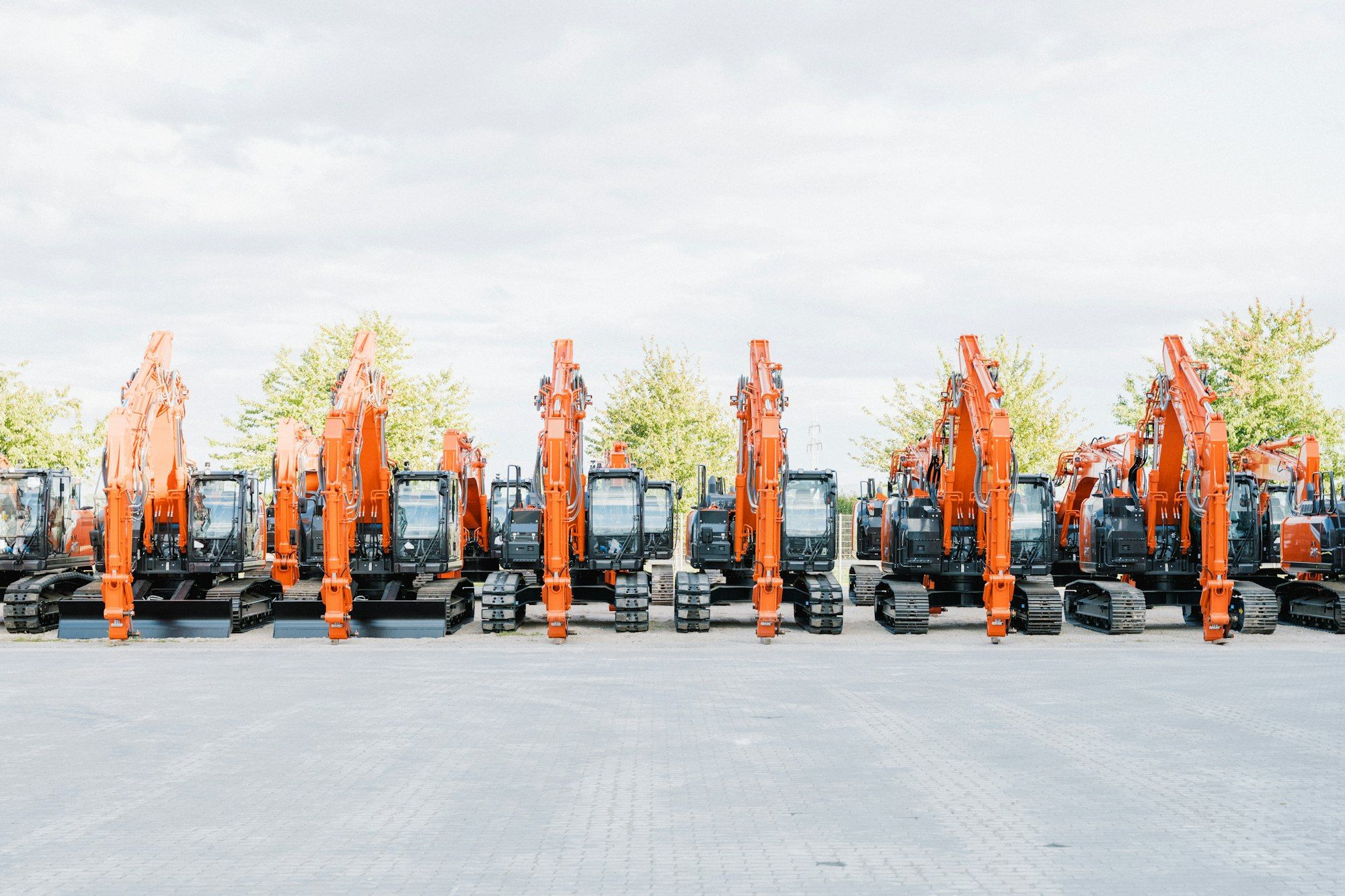
- Equipment at auction. A near-new excavator, a refrigerated pantech or a commercial kitchen fit-out coming up at a receivership or clearing sale.
- A competitor selling up. A retiring owner wants a quick sale of stock, plant, a customer list or the whole business.
- An acquisition deposit. You’ve agreed terms to buy a business and need the deposit or a settlement gap covered.
- A contract you can win. A new client wants you on site next month, which means materials, labour and fuel before the first progress claim is paid.
Why does speed matter so much?
Because someone else usually wants the same thing. Auction houses generally expect payment within days of the fall of the hammer. A retiring competitor will often take the first credible offer. A supplier’s early-order window closes on a set date, whether or not your debtors have paid.
That’s why the sharpest operators arrange capital before the opportunity appears. A business line of credit that’s already approved can be drawn immediately — the idea behind keeping standby working capital in place. Without one, unsecured decisions are sometimes made the same day, and a property-secured loan can sometimes fund within 24 hours of approval.
How do you know the numbers stack up?
Before you draw a dollar, run a five-line check:
- The gain — the discount, extra margin or new revenue, in dollars.
- The cost — what the funding costs for the time you’ll hold it. Your lending specialist will give you the figures.
- The timeline — when the stock sells, the machine starts earning or the contract pays.
- The downside — if sales run slower than planned, can you still repay comfortably?
- The alternative — what happens if you let this one pass?
If the gain comfortably beats the cost and the downside is manageable, it’s probably a genuine opportunity. If the case only works when everything goes right, it may be a gamble.
Which funding suits which opportunity?
| Opportunity | Usual fit | Why |
|---|---|---|
| Supplier bulk buy | Line of credit | Short hold, repaid as the stock sells |
| Auction equipment | Unsecured or property-secured loan | One-off purchase, fast settlement |
| Competitor’s stock | Line of credit or unsecured loan | Repaid from sell-through |
| Business acquisition deposit | Property-secured loan | Larger sums, $20,000 to $1m |
| New contract start-up costs | Line of credit | Repaid from progress claims |
A property-secured top-up is secured on Australian property you or a supporting party already own — a home, investment property, commercial property or land — as a first or second mortgage, even where a mortgage already exists. No financials or tax returns are needed for the initial assessment, which is often what makes a fast deal workable.
What does it look like in practice?
Example scenario — illustrative only. An earthmoving contractor in the Riverina hears that a neighbouring operator is retiring and putting a two-year-old excavator and tipper through a clearing sale in twelve days. The owner has equity in an investment property in Wagga Wagga. A property-secured loan is approved ahead of the sale, funds are ready for settlement, and the extra machine lets the business quote on two council jobs it would otherwise have passed on.
What should you check before you commit?
Opportunities are exciting, which is exactly when a second opinion earns its keep:
- Condition and history of anything bought at auction, including service records and any finance owing on it.
- Tax treatment. The ATO’s $20,000 instant asset write-off for small businesses may affect the after-tax cost of equipment. This is general information only; ask your accountant how it applies to you.
- Due diligence on any business purchase, with your accountant and solicitor.
- Stock you wouldn’t normally carry. A discount on the wrong product is just slow-moving inventory.
Our guide to buying business equipment at auction has a practical pre-bid checklist.
How is it priced?
Every facility is priced on your circumstances. We don’t publish rates; we look for the sharpest option available for your situation and set out the full cost before you commit.
Move before the window closes
Tell us about the opportunity in the 60-second enquiry and mention your deadline. Enquiring is free, doesn’t affect your credit score, and a lending specialist will contact you to talk through the fastest route.